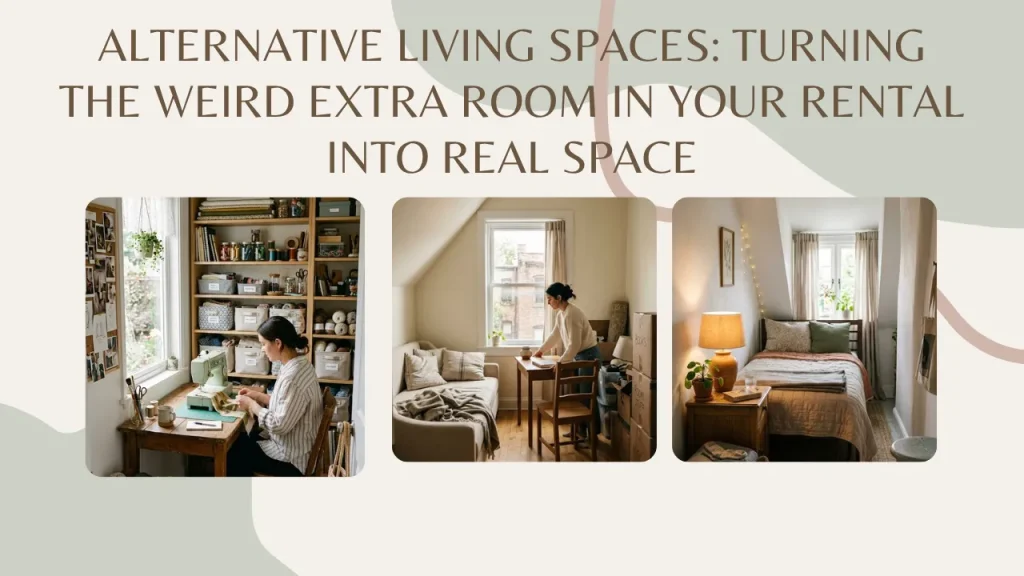
My last apartment had a room the listing called a “bonus room.” No closet, oddly shaped, definitely not a legal bedroom, and for the first six months, it sat there holding boxes I hadn’t unpacked, because I genuinely didn’t know what to do with it. It took moving a desk in almost by accident to realize it was actually the best reading nook I’d ever had.
A lot of rentals come with one of these alternative living spaces: a den, a sunroom, an enclosed porch, an awkward nook off the kitchen, or a finished basement corner. They don’t fit neatly into “bedroom” or “living room,” so they get ignored, used as storage, or left empty. That’s wasted square footage you’re already paying rent on.
Figure Out What the Space Is Actually Good At

Before furnishing anything, pay attention to what the room naturally offers. A sunroom with big windows is wasted as a storage closet but excellent as a plant room or reading spot. A windowless den is a poor choice for anything requiring natural light, but it’s often the quietest room in the apartment — ideal for a home office or a media room where you want to control light anyway.
Match the use to what the room is already telling you, instead of forcing a function it fights against.
Home Office in an Unconventional Space

This is the most common use for an oddly shaped extra room, and for good reason, a home office doesn’t need much. A desk, a chair, decent lighting, and ideally a door you can close. Even a room too small or oddly shaped for a bed works for this, since a desk’s footprint is far more flexible.
Guest Space Without a Real Bedroom
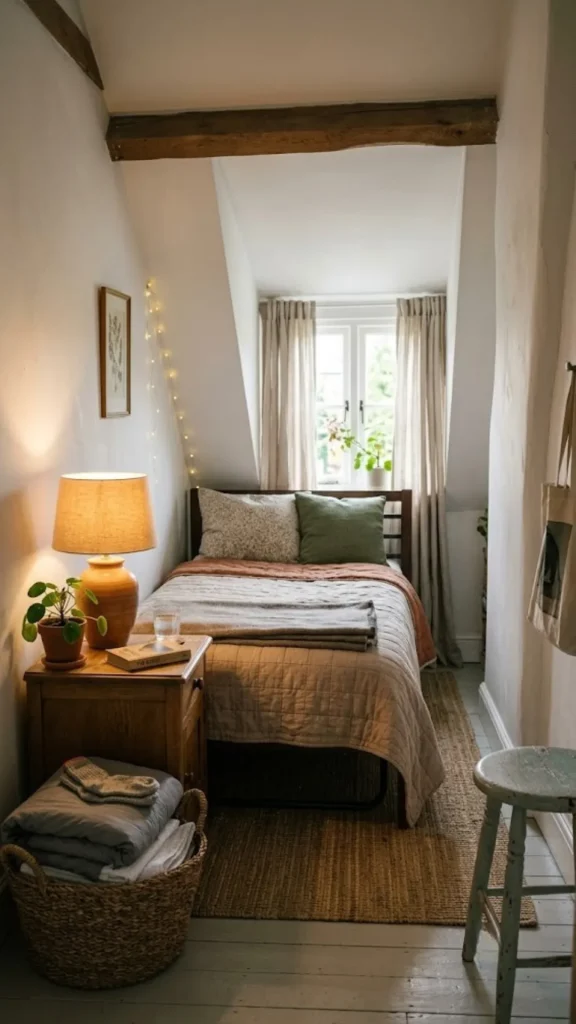
If the room can’t legally or practically be a bedroom (no closet, no window, oddly shaped), a daybed or a quality air mattress setup with proper bedding can still make it function as a guest space without committing to permanent bedroom furniture you might not have room for anyway.
Hobby and Craft Rooms
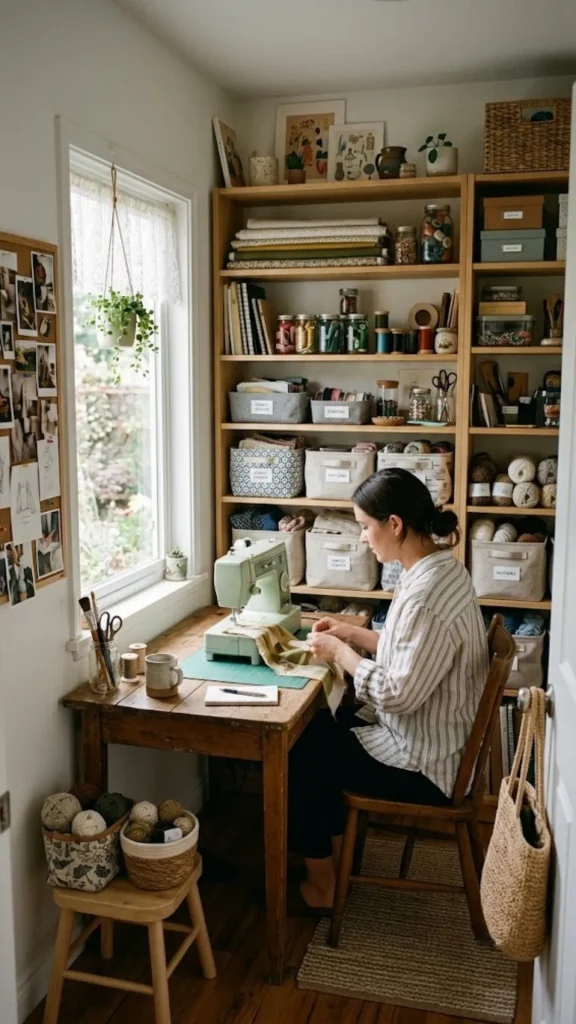
Extra rooms that are too small or awkward for furniture-heavy uses are often perfect for hobbies that need a dedicated surface more than they need floor space, like a sewing station, an art table, or a small music setup. The “alternative” rooms in a lot of rentals are exactly this size: too small to be a real second living room, plenty big for a table and some shelving.
What to Actually Furnish It With

Skip anything bulky or hard to move. These spaces work best with furniture that earns its keep in a small footprint: a daybed instead of a full bed frame, a fold-down or wall-mounted desk instead of a heavy one, modular shelving you can reconfigure if you move or change how you’re using the room.
If the Room Has No Real Purpose Yet

Live in the apartment for a few weeks before deciding. The room that seems useless on move-in day often reveals its best use once you see how light moves through it, how loud or quiet it is relative to the rest of the apartment, and which of your daily habits naturally drift toward it. My “bonus room” only became a reading nook because I kept absentmindedly bringing my coffee and a book in there before I’d consciously decided to use it for anything.
The Bottom Line
The instinct is to treat an oddly shaped extra room as dead space. It’s usually not, it’s just unassigned. Alternative living spaces like these only stay wasted if you furnish them on autopilot instead of paying attention to light, noise, and your own habits first. Get that part right, and the room that’s been collecting boxes might turn out to be the best room in the apartment.
Before making your next furniture purchase, ensure your space can handle it. Read our guide on What Room Size Do You Actually Need for a King Bed?.