
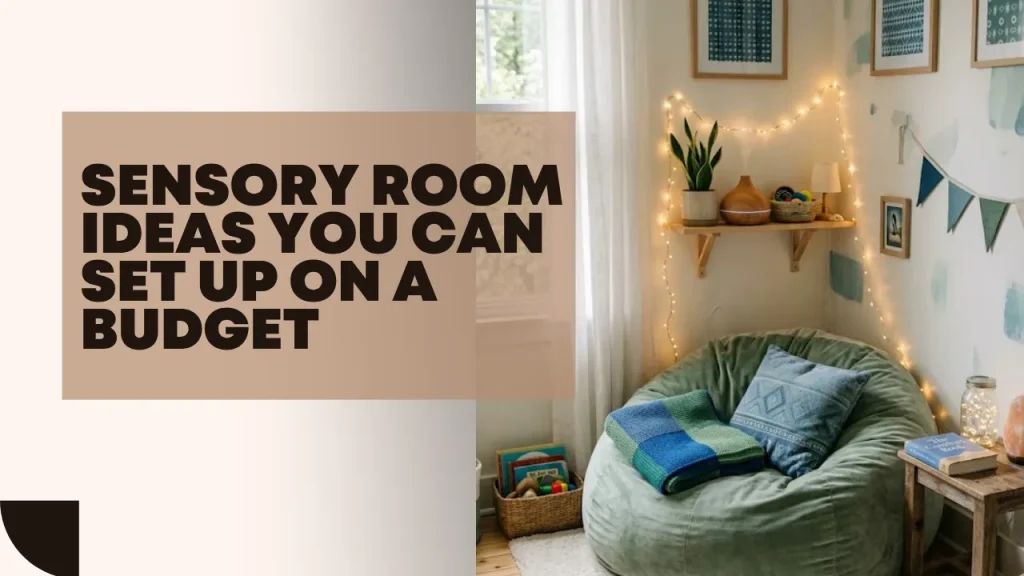

A sensory room does not need to be a whole room. It does not need a five, figure budget either, despite what some of the equipment catalogs out there would have you believe. At its core, a sensory room is just a quiet, intentional space designed to calm or gently stimulate the senses, sight, sound, touch, and smell, and you can build a genuinely good one with a corner, a few smart choices, and a weekend.
These spaces have been used in schools, therapy clinics, and occupational therapy centers for decades. More recently, families have started bringing the same concept home. Sometimes it is for a child with sensory processing needs. Sometimes it is for anyone who wants a corner of the house that feels like a deep breath. Either way, the budget version works just as well as the expensive one. The expensive sensory equipment companies are not selling you results. They are selling you the same lava lamp and weighted blanket at four times the price.
Here is how to put together sensory room ideas that actually work, without spending what some catalogs charge for a single light fixture.
Pick the Right Spot First
You do not need a spare bedroom for this. A corner of a living room, a section of a bedroom, a converted closet, or even a quiet nook under a staircase can all work as a sensory space. What matters more than square footage is the quality of the spot.
Look for somewhere away from high foot traffic. A corner near a window for natural light is ideal, but not required. If the only available space gets harsh overhead lighting, plan to dim or cover that light source rather than relying on it.
Closets are an underrated option. They are naturally enclosed, which adds a feeling of safety and privacy, and a curtain or door gives an easy way to fully shut the space off when needed. A few families have turned closets into genuinely lovely sensory corners with nothing more than cushions, soft lighting, and a curtain.
Choose a Calming Color Palette
Color sets the emotional tone of a sensory room before anything else does. Soft blues, muted greens, and gentle pastels tend to read as calming because they have shorter wavelengths and create less visual stimulation than bright, saturated colors. If the goal of the space is to soothe rather than energize, lean into this palette.
If the sensory space is meant to stimulate rather than calm,useful for some sensory-seeking needs, warmer, brighter tones like orange and yellow work better. Most home sensory rooms lean calming, since that is the more common need, but it is worth deciding which direction you want before buying anything.
A can of paint in a soft sage, dusty blue, or warm grey runs $20 to $35 and instantly sets the tone for the whole space. If painting is not an option, a large piece of fabric or a soft-colored curtain hung as a backdrop achieves something similar.
Get the Lighting Right

Lighting is one of the highest-impact, lowest-cost changes you can make in a sensory room. Harsh overhead lighting, especially fluorescent, is one of the fastest ways to undermine an otherwise calm space.
Start by dimming or covering any existing overhead light. A simple plug-in lamp with a warm bulb, placed low in the room, creates a much gentler atmosphere than a ceiling fixture. String lights or fairy lights add a soft, low-stimulation glow and cost very little,a set runs $10 to $20 on Amazon.
For something more visually engaging, a small projector light or a lava lamp adds movement without being overwhelming. These slow, shifting visuals are genuinely soothing for a lot of people, both kids and adults. Budget projector lights and lava lamps are widely available for $15 to $30.
If a bigger investment feels worthwhile down the line, fiber optic lights create a beautiful, calming visual effect and have become one of the most requested sensory room features. Full kits can run into the hundreds, but smaller fiber optic lamp versions are available for $30 to $60 and still deliver a similar calming effect on a smaller scale.
Layer in Soft Textures

Texture is where a sensory room earns its name. The whole point is giving the sense of touch something gentle and engaging to do.
A soft rug or a few oversized floor cushions form the base layer. Look for plush, textured fabrics, faux fur, chunky knit, corduroy, rather than anything scratchy or stiff. A bean bag chair is one of the best single purchases for a sensory corner. It is comfortable, flexible, and works for almost any age.
A weighted blanket is worth the investment if the budget allows. The deep, even pressure has a genuinely calming effect for a lot of people and is one of the most consistently recommended sensory room additions. Budget weighted blankets start around $30 to $50 depending on size and weight.
Beyond that, small textured objects make a big difference. A basket of different fabric scraps, a few stress balls or fidget toys, a soft textured throw,these things cost very little individually, and they give hands something to explore.
Add Something for the Senses to Explore
A truly engaging sensory space gives more than one sense something to do. Sight and touch are covered by lighting and textures. Sound and scent round out the experience.
For sound, a small speaker playing soft instrumental music or nature sounds works well, or a white noise machine if quiet is the priority. Both options are widely available for $20 to $40.
For scent, a simple aromatherapy diffuser with lavender or chamomile oil adds a calming layer without being overpowering. Diffusers start around $15 to $25, and a bottle of essential oil lasts a long time.
A sensory bin is a hands-on option that works particularly well for kids. Fill a shallow container with rice, dried beans, sand, or kinetic sand and let it become a tactile play area. This costs almost nothing to put together and can be refreshed easily whenever the contents start to feel stale.
Use What You Already Have
One of the most overlooked truths about building a sensory room is how much of it can come from things already sitting around the house. An old cabinet door becomes a busy board. A muffin tin or wooden bowl adds texture to a sensory wall. Empty plastic bottles filled with water, glitter, or beads become simple sensory bottles. Fabric scraps and buttons make a tactile board that costs nothing but time.
Thrift stores are an excellent source for sensory room basics. Soft throws, cushions, baskets, and even lamps can often be found secondhand for a fraction of retail price, and a little wear adds character rather than detracting from the space.
Before buying anything new, walk through the house and see what could be repurposed. A spare lamp, an unused rug, a soft blanket folded in a closet,these things often just need to be moved into the right spot to start doing real work in a sensory room.
Start Small and Build Over Time
You do not need to finish a sensory room in one weekend. In fact, building it slowly tends to produce a better result, because it gives time to notice what is actually being used and what is not.
Start with three to five core items: one lighting change, one textured seating piece, and one tactile object. Live with that for a couple of weeks. Add the next layer once the basics are in place, a sensory bin, a diffuser, and a weighted blanket. This approach also spreads the cost out, which makes the whole project far more manageable than trying to buy everything at once.
A sensory room built slowly, with intention, tends to feel more personal and more genuinely useful than one assembled all at once from a single shopping list.
A sensory room is less about the specific items in it and more about how the space makes someone feel the moment they step into it. Soft light, gentle texture, a quiet corner away from the noise of the rest of the house,that is the whole formula. You can build all of it on a real budget, one thoughtful choice at a time.
Styling a cohesive space doesn’t mean everything has to come in a matching set. Learn the designer secrets in our guide: How to Mix and Match Living Room Furniture.